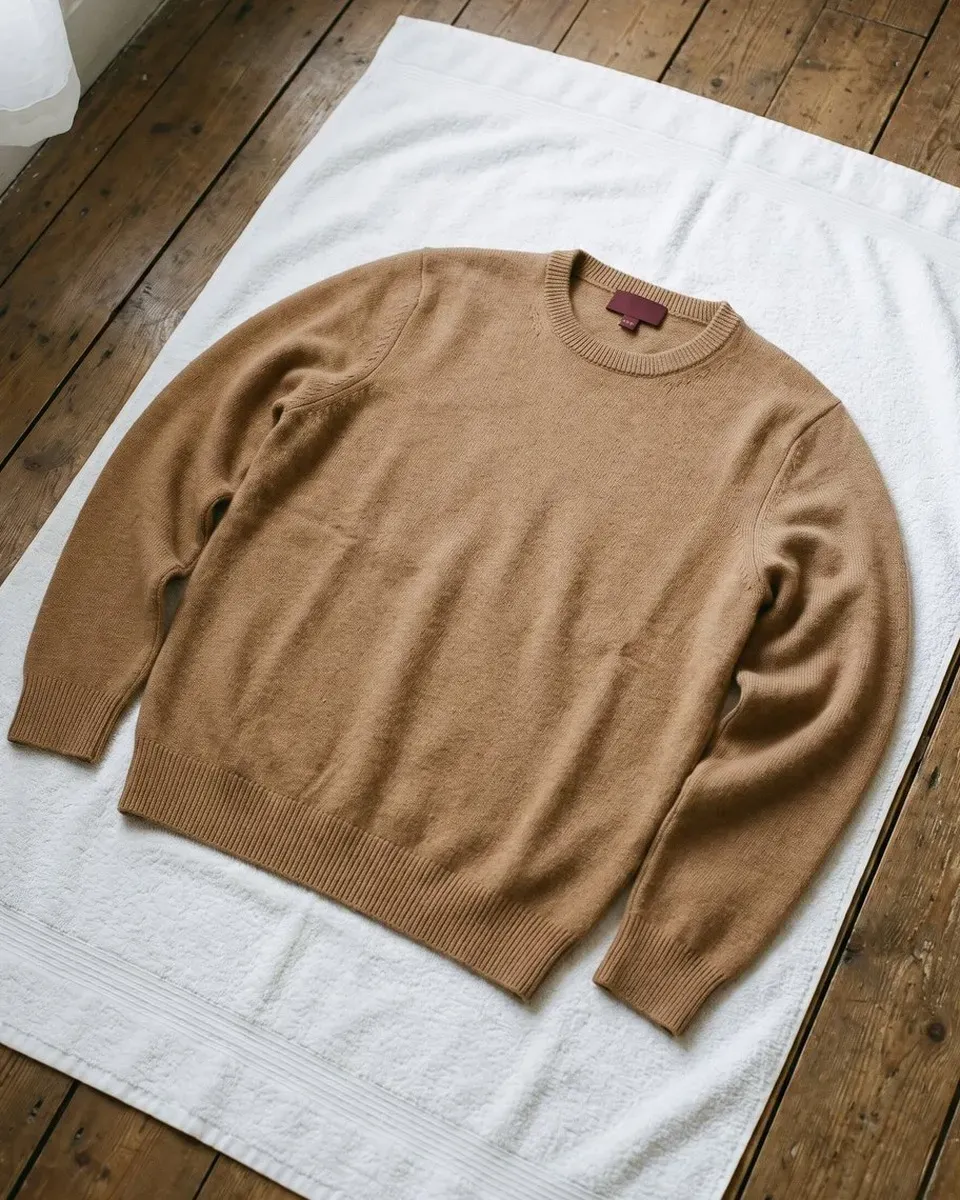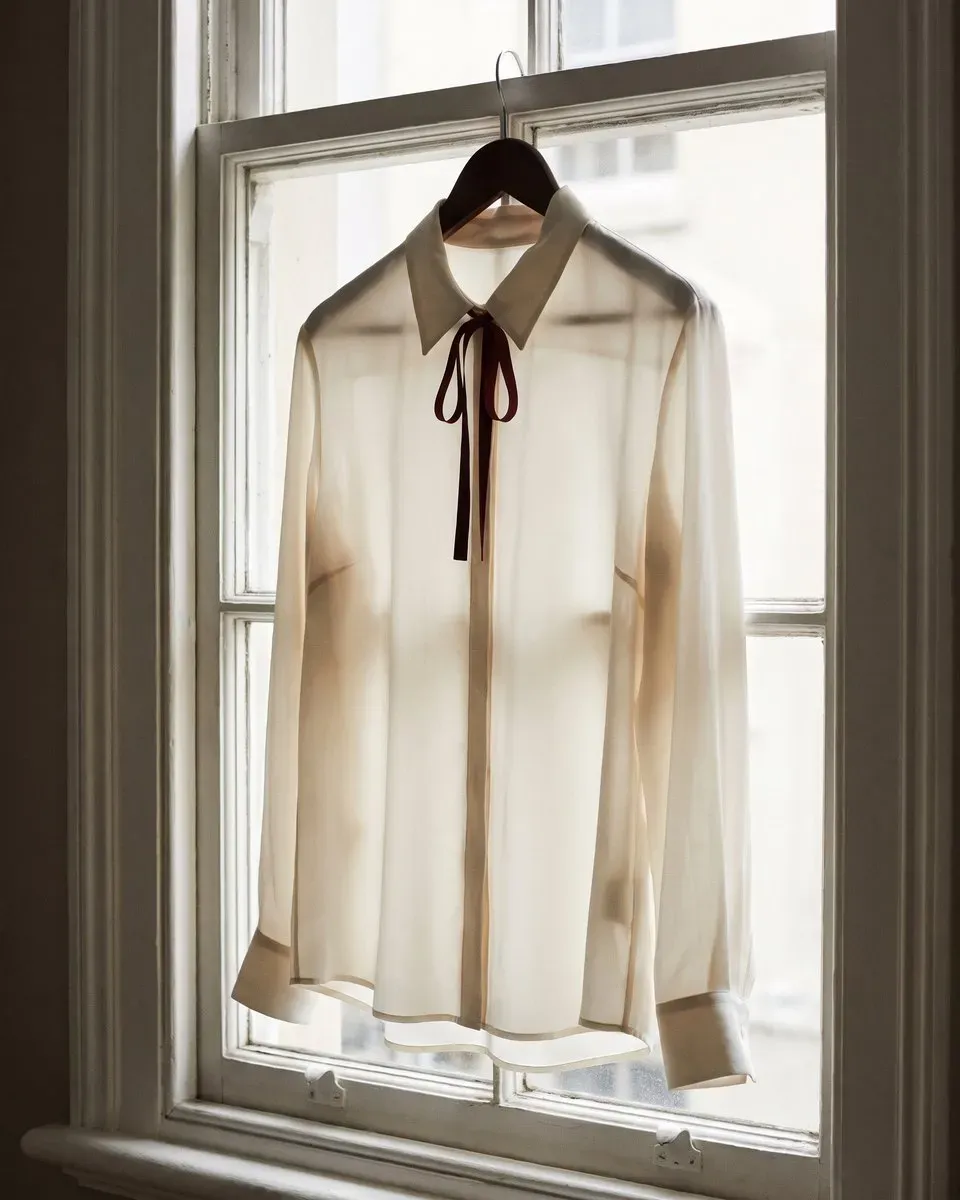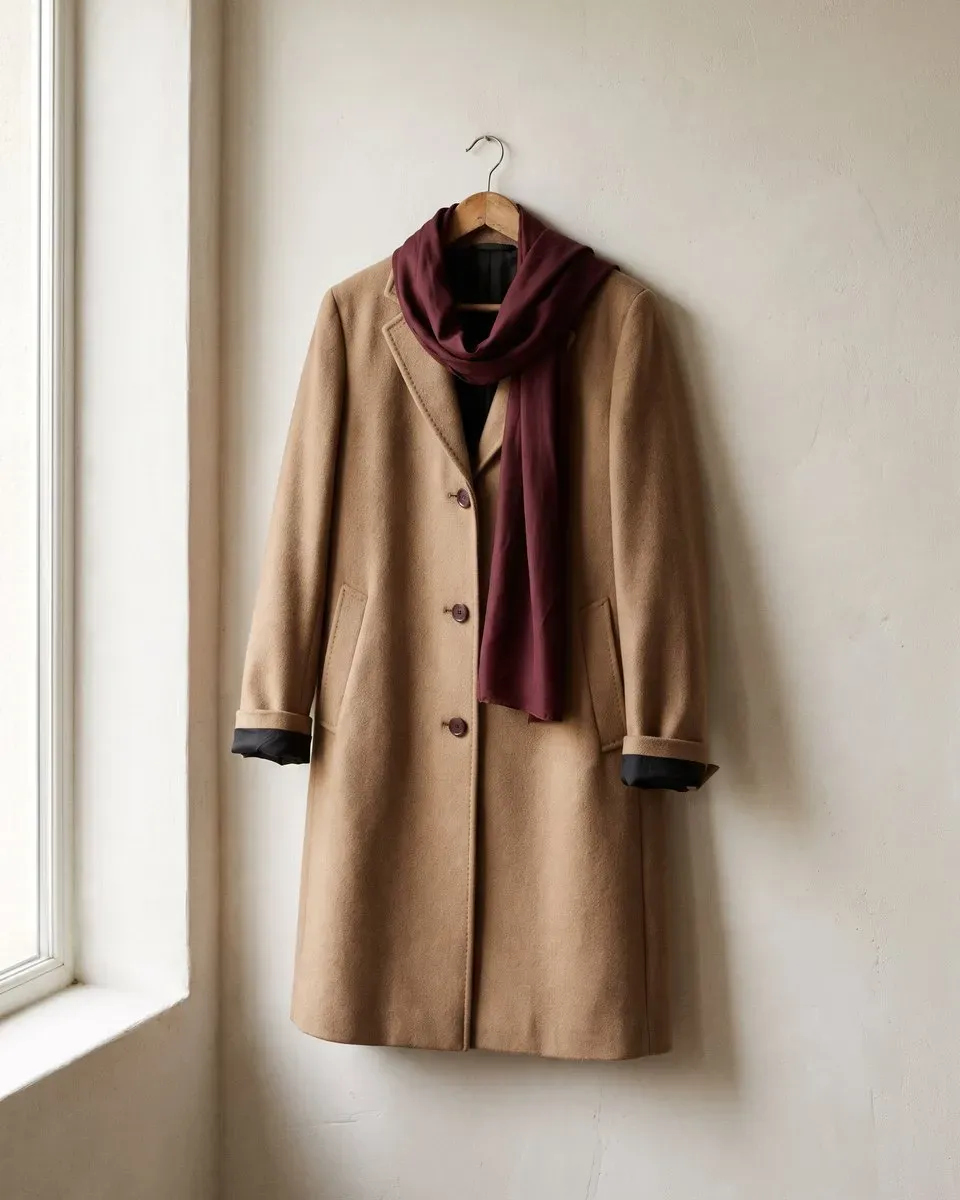
Our sizes run from a UK 6 to a UK 16. Each one is cut to fit a real body rather than a size label, so the number on the tag is a starting point and not a rule. Most people find they sit between two sizes somewhere in the range.
How our sizes run
Our 6 is a true small, our 10 sits at the middle and our 16 is a generous fit with room through the bust and hip. The grading between sizes is even, so the step from a 10 to a 12 is the same as the step from a 14 to a 16. If you have bought from us before, the size you chose then is still the best guide.
Measuring at home
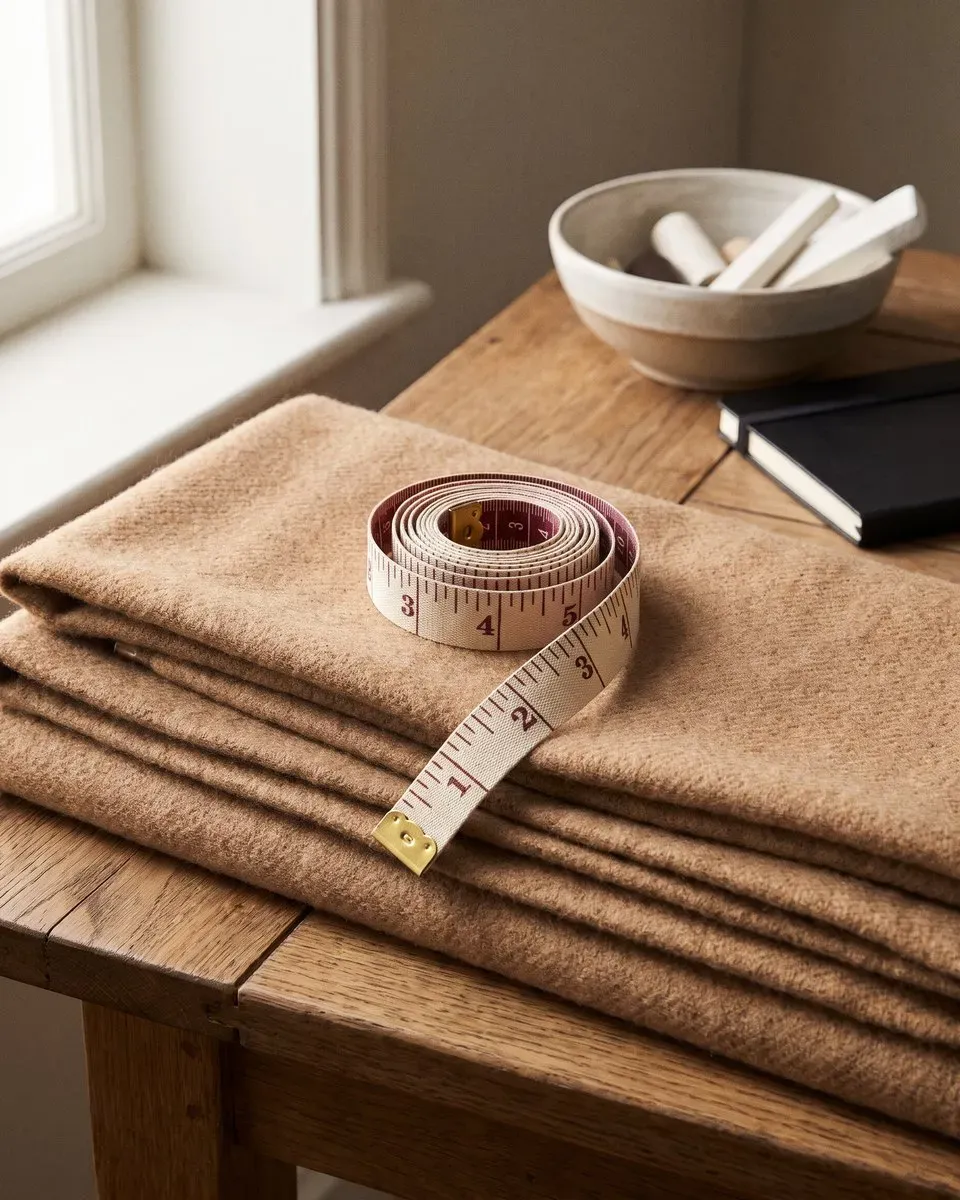
Use a soft tape and keep it level and close to the body without pulling tight. Wear the underwear you would normally wear under the garment. Measure the bust at the fullest point, the waist at the narrowest part of the torso and the hip at the fullest point, usually about 20cm below the waist.
- Bust: around the back and across the fullest part, tape level.
- Waist: at the natural crease when you bend to one side.
- Hip: around the widest part, feet together.
Write the numbers down and compare them with the measurements on the product page. If two sizes both fit, the notes on the page will tell you which one we suggest.
What relaxed and fitted mean
Relaxed means an easy line with space between the cloth and the body. A relaxed shirt will sit away from the shoulder and fall straight through the body. Fitted means the cloth follows the shape of the body with little spare room, cut to skim rather than squeeze. Neither word describes a larger or smaller size. They describe how the same size is meant to sit.
If you are between sizes
Choose the smaller size for a fitted garment and the larger for a relaxed one. If you are unsure, the larger size is usually the safer choice for knitwear and outerwear, where a little room is part of the design. Returns follow the policy on the shipping and returns page.